Kiki Interiors - Decor and Staging

Thursday, May 21, 2015

Baffled by the Bristles? See our Paint Brush Lesson!


Now that the weather is finally getting nice, we’re all starting to feel ambitious again about some projects around the house. I know for me, its paint that I want to tackle. Not just walls, furniture as well. When it comes to paint, I always have the best intentions, but trying to nail down which brush is for where, and what kind of paint is best on that surface … the list goes on. Here is a more ‘simplified’ version of the paint brush aisle for you!
Image result for paint cans pretty

The Square Cut Brush:
Best for large flat surfaces.
These brushes are most ideal for covering a large space in a short amount of time!
Sold in widths as large as 5 inches and are made with natural OR synthetic bristles.
Cost is anywhere from $8 to $16 dollars.
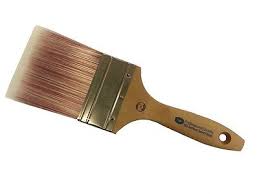
Image result for square cut paint brush

Short Handle:
Best for cramped spaces!
The 2 inch handle makes navigating into tight areas much easier.
These brushes are great for painting inside cabinets, tight corners on furniture etc.
This brush will cost you around $7 dollars.
Image result for short handle paint brush


Foam Brush:
Best for touch-ups.
I wouldn’t recommend using this brush for much more. It is a great option for covering any scuffs, but only on smaller spots. These brushes are great with any type of paint.
They are cheap option as well as a disposable option. No keeping these bad boys!
These brushes also come in a few different sizes: 1 inch, 2 inch and 3 inch wide.
Approximately $7 dollars for a 3 pack.
Image result for foam paint brush


Angled Brush:
Best for cutting in and painting along the trim.
The angled shape of this brush gives you more versatility and control than the square cut brush. This enables you to have cleaner lines along edges. (such as where the wall & ceiling meet!)
This brush comes in many widths and is made with natural OR synthetic bristles.
These brushes will cost you between $8 and $12 dollars, depending on the size.
Image result for angled paint brush
 
Finishing Brush:
Best for Lacquers and Stains.
This is a finer version of the square cut brush. It has softer bristles for applying finishes without having streaks.
This comes in natural OR synthetic bristles and will cost you about $30 dollars a brush. (make sure you clean & preserve this one!)

Image result for finishing paint brush

Labels: , , , , , , , , , , ,

Saturday, April 24, 2010

Pain-free Painting


Paint, yes the colourful stuff we put on our walls, has changed drastically. The formulas always consisted of pigment (colour), binder (allowing the film to stick to the surface) and solvent (which ensures that it dries properly, flows and spreads). But now we have formulas that include a variety of additives such as antibacterial biocides to texturizers. So how should you choose? Is cheap paint the best way to go? A fresh coat of paint can do wonders for you and your home - liven up a room, get the most return when it comes time to sell and hide imperfections on your walls but cheap paint will result in poor results, they are not as washable, may require more coats and the consistency may be too thick or watery causing mess and spillage.


How to pick your shade

Decorating your home is a personally choice and so is your paint colour selection but when staging your home in preparation for sale - lighter hues are best as they make rooms feel, larger, brighter and cleaner. Lighter colours are also more neutral and will not reflect the homeowners personal style and therefore making it difficult for the buyer to see themselves living in the home.

But here are a few tips for selecting your shade:

1 -- Don not make your final selection in the store. Take the paint chip home and test it our in the room, see how the colour looks day and dusk. Sometimes day light can make colours looks too yellow or even pink.


2 -- Once you have narrowed down your choices, take home some test post (small samples of the colour) and paint some splotches on the wall, again to test out the colour at all times of day. Be sure to have done at least two coats to you give yourself the truest idea of how the colour will look.


3--Remember a bold colour can be very intense before the furniture, artwork and other accessories are in the room. Once the room is totally set up you'll see what an impact the walls will have. An empty room with a dramatic colour is not how one would live. Give the colour sometime to sink in (not into the walls but into your mind), change can be tough at first.


4 -- Colour is a very personal thing but I like to ask my clients about the mood they want to have in each room. If you want a calm and soothing master bedroom, I would recommend not painting it red or bright orange stick with lighter tones to reflect the mood you want to achieve.


Some tips for dealing with a painting pro:

1 -- Use the same guidelines as you would with any other professional doing work on your home. Get a quote in writing, get references, time lines etc...


2-- The price should include prep work too, such as priming, painting, cleaning, touch up work, patching and repair work, so be sure to ask what is included in the price quote.


3 -- Ask your painter to purchase the paint, he/she knows how much and what is needed for the job so they can ensure that it is done right. they are different types of paint needed for various projects.


4 -- Ask friends, family and neighbours if they can recommend anyone.


Hot trend in Hues

the hottest trend right now is green not the colour but green-friendly products and paint is not exception. They are several options in the eco-friendly paint aisle.


Natural paint

low odour formulas made of natural ingredients such as beeswax, plant based essential oils, water, clay, milk proteins and mineral dyes. These formulas are safe for the environment as well as kids and pets also with a low incidence of allergic reactions and sensitivities.


Zero VOS's (Volatile Organic Compounds)

are becoming more common. But they still contain up to 5 grams of VOC's per litre (still within government approved levels). They might also contain colourant biocides (to inhibit mould growth) and fungicides.


Low VOC

Paints, stains and varnishes that do not contain more than 50 grams of VOC's per litre.


Recycled paints

Still contains VOC's but because it is made of left over paint it is considered environmentally friendly since these cans would have been otherwise tossed into landfills.

Labels: , ,

Monday, November 30, 2009

The writing's on the wall....


I was out with some friends on the weekend and they were talking about their home renovation more specifically their paint colours. They asked about accent walls and if they were still "in". I was explaining to them what is happening with the accent wall, so I thought I would share.

A few years ago the "accent wall" consisted of a bright colour that would take a lot of guts to cover all of the walls of a room. We were seeing a lot of bold, dramatic colours such as red and rich brown. But the accent wall has come a long way and there are many options.

1 -- Wall paper is back and being used in small spaces such as powder rooms or as an accent wall in a dining room or bedroom. Make sure the wall is a focal point in the space.

2 -- Stone or ceramic. A bit more expensive but it adds beautiful texture in a space. This works best in a large living room or kitchen, but stay neutral as this cannot be changed as often as wall paper or paint.

3 -- Chalk board paint. This is best in an office, children's bedroom, family room and even the kitchen. It looks best with messages and doodles in chalk as it breaks up the darkness.

4 -- A collage of art or mirrors. I really like this look when the pieces are of different shapes and sizes. It looks like a large puzzle on a wall and makes a major impact.

5 -- Wall tattoos. Easy to apply and inexpensive but my preference is in a small space like a bathroom or a hallway.

The painted accent wall is still a popular look. A lot of people like the pop of colour. You are seeing it a little less in magazines but in the end it's your home and it needs to reflect your taste and style. If you are still committed to the accent wall, here's some advice:

1-- Choose a colour that works with the rest of your home decor. A big lime green wall might not jive with the main colour of your home or the style of furniture.

2 -- Accent walls work best in large open spaces.

3 --Choose a wall with architectural interest or a focal point such a fireplace. The colour pop will bring more attention to the feature.

4 --The chosen colour should coordinate with your accessories too.

5 -- Be sure that the other wall colour works with your accent colour. Check out any home improvement stores paint section and you will find pre-selected paint combinations which work beautifully together. These are fail safe.

Labels: , , ,

<data:blog.pageTitle/>

This Page

has moved to a new address:

http://kikiinteriors.com

Sorry for the inconvenience…

Redirection provided by Blogger to WordPress Migration Service